


In 2026, authority is no longer defined by size alone. Large followings, high traffic, or frequent posting do not automatically translate into influence. Instead, trust and credibility have become the true currencies of authority. Audiences are more skeptical, algorithms are more selective, and competition for attention is fiercer than ever. Whether you are a brand, media platform, professional, or creator, authority building today requires consistent proof of expertise, transparency, and reliability.
What Authority Building Means in 2026
Authority building is the process of establishing yourself or your organization as a trusted, knowledgeable, and reliable source within a specific field. In 2026, authority is measured less by visibility and more by perceived expertise and consistency.
Search engines, social platforms, and audiences evaluate authority through:
- Accuracy and depth of content
- Consistency of messaging
- Reputation across platforms
- Demonstrated expertise and experience
Authority is no longer claimed. It is earned over time.
Why Trust Has Become the Core Metric
Digital audiences have been exposed to misinformation, low-quality content, and AI-generated noise at an unprecedented scale. As a result, trust has become a filtering mechanism.
Trust matters because it:
- Drives repeat engagement
- Increases conversion and loyalty
- Strengthens brand resilience during crises
- Signals quality to search and discovery systems
In 2026, audiences actively avoid sources that feel exaggerated, anonymous, or inconsistent.
Credibility Signals That Matter Today
Credibility is built through clear, visible signals that reassure users they are engaging with a legitimate and knowledgeable source.
Key credibility signals include:
- Clear authorship and expert attribution
- Transparent business or editorial identity
- Secure and well-maintained websites
- Consistent branding and tone across platforms
Audiences want to know who is speaking and why they should listen.
Expertise Over Virality
In earlier digital cycles, virality could elevate unknown voices overnight. In 2026, fleeting attention is far less valuable than sustained authority.
Expert-led content performs better because it:
- Provides depth rather than surface-level insight
- Solves real problems for specific audiences
- Builds long-term trust instead of short-term clicks
Authority builders focus on being useful, not just visible.
Content Depth and Original Insight
Thin summaries and recycled ideas struggle to establish authority. Credible platforms invest in original thinking, firsthand experience, and nuanced analysis.
Authority-driven content often includes:
- Unique perspectives based on experience
- Data-backed insights or case studies
- Clear explanations of complex topics
- Balanced viewpoints rather than hype
Audiences recognize originality, even when it is subtle.
Consistency as a Trust Multiplier
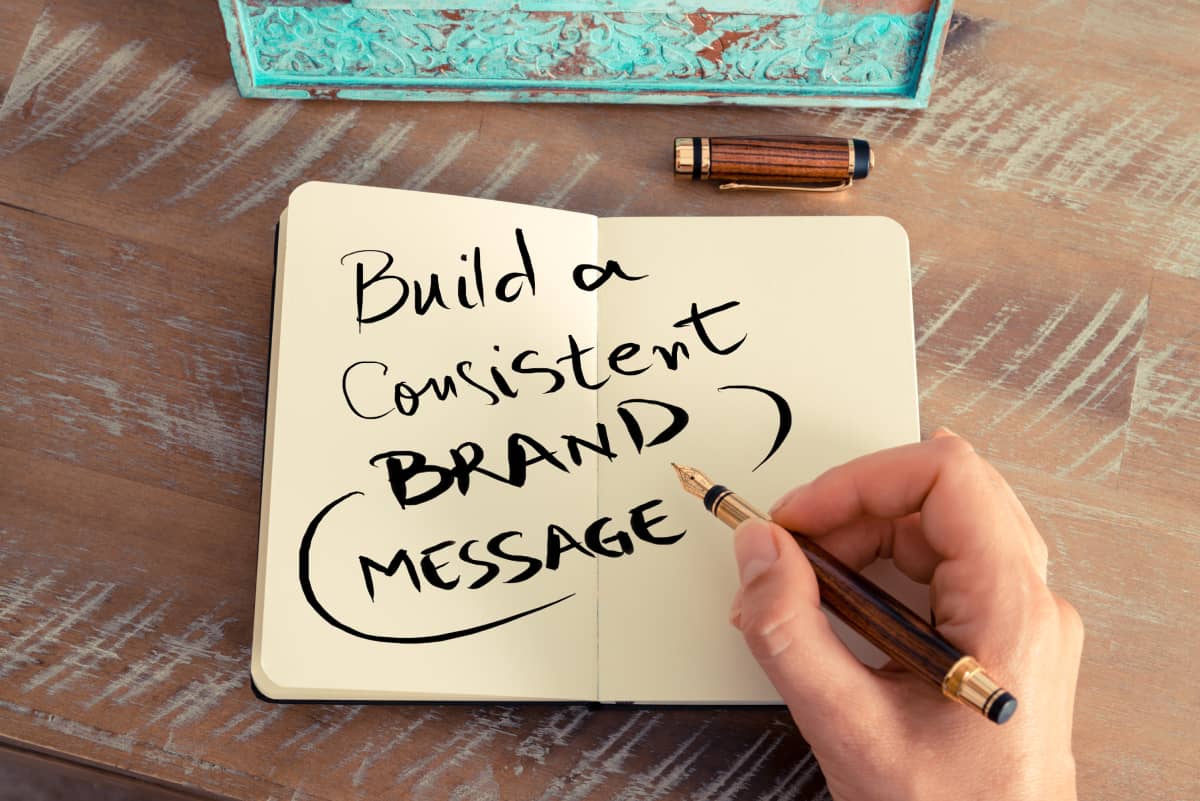
Consistency builds familiarity, and familiarity builds trust. Publishing high-quality content once is not enough. Authority is reinforced through repeated delivery of value over time.
Consistency applies to:
- Publishing frequency
- Editorial standards
- Tone and positioning
- Accuracy and ethics
Reliable sources become default references in their niches.
Authority and Search Visibility
Search systems in 2026 increasingly reward authority signals such as expertise, experience, and trustworthiness. Pages associated with credible entities perform better, especially in sensitive or high-impact topics.
Authority improves:
- Ranking stability
- Resistance to algorithm volatility
- Long-term organic growth
Search engines are not just ranking pages. They are evaluating sources.
Social Proof and Reputation Building
Authority is reinforced externally through recognition by others. Mentions, citations, collaborations, and expert references strengthen credibility.
Strong social proof includes:
- Industry recognition or awards
- Quotes or features by other trusted platforms
- Speaking engagements and panels
- Community endorsements and reviews
Authority grows faster when it is validated externally.
Transparency and Ethical Standards

Transparency is no longer optional. Audiences expect honesty about:
- Sponsorships and partnerships
- Data usage and privacy
- Editorial independence
- Conflicts of interest
Credibility is damaged quickly when audiences feel misled, even unintentionally.
AI, Automation, and Trust Challenges
As AI-generated content becomes widespread, trust differentiates human-led authority from automated noise. Audiences value:
- Human judgment and accountability
- Clear editorial standards
- Responsible use of AI as a tool, not a replacement
Platforms that combine technology with transparency gain trust faster.
Authority at the Personal and Brand Level
Authority building applies equally to individuals and organizations. Professionals who share insights, explain decisions, and demonstrate learning build strong personal credibility.
Brands that invest in thought leadership, education, and clarity build institutional authority that outlasts trends.
Long-Term Authority Versus Short-Term Growth
Authority is a long-term asset. It compounds over time and protects against market shifts, platform changes, and competition.
Short-term tactics may deliver spikes, but authority delivers:
- Sustained influence
- Pricing power
- Audience loyalty
- Strategic leverage
In 2026, resilience belongs to trusted voices.
The Future of Authority Building
Looking ahead, authority will increasingly depend on:
- Verifiable expertise
- Transparent identities
- Community trust
- Ethical leadership
The most influential platforms will not be the loudest but the most reliable.
Authority building in 2026 is rooted in trust and credibility, not hype or volume. As audiences become more discerning and platforms more selective, only sources that consistently demonstrate expertise, transparency, and integrity will stand out. Whether you are a creator, business, or media brand, authority is built slowly but rewarded deeply. In a crowded digital world, trust is the ultimate competitive advantage.