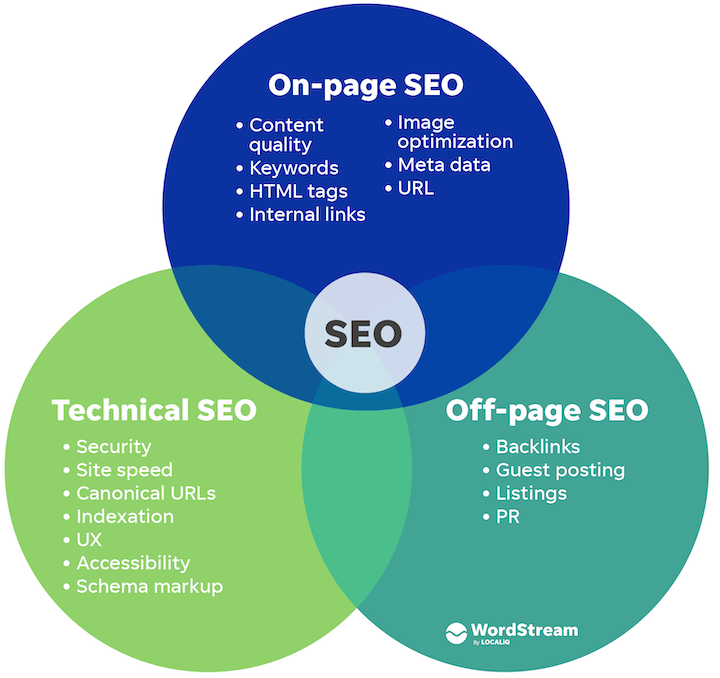
Technical SEO forms the foundation of every successful search strategy. While content and backlinks attract attention, search engines cannot rank what they cannot efficiently access, understand, and load. In 2026, technical SEO is more critical than ever as performance standards rise and user expectations sharpen. This guide explains how performance, speed, and crawlability work together to determine whether a website thrives or struggles in search results.
What Is Technical SEO?
Technical SEO refers to optimizing a website’s infrastructure so search engines can crawl, render, and index pages efficiently. It focuses on how a site functions rather than what it says. A technically sound website loads fast, works seamlessly across devices, and allows search engines to understand its structure without friction.
Strong technical SEO improves rankings indirectly by enhancing user experience, reducing errors, and enabling content to perform at its best.
Why Performance Matters for SEO
Website performance is no longer a “nice to have.” Search engines prioritize sites that deliver fast, stable, and responsive experiences.
Performance impacts:
- User satisfaction and engagement
- Bounce rates and dwell time
- Search engine ranking signals
Slow or unstable pages frustrate users and reduce trust, which search engines interpret as poor quality.
Page Speed: The Heart of Technical SEO
Page speed measures how quickly content loads and becomes interactive. Even a one-second delay can significantly reduce conversions and engagement.
Key speed optimization areas include:
Efficient hosting and servers
Fast server response times ensure browsers receive data quickly. Poor hosting increases Time to First Byte (TTFB), hurting both SEO and user experience.
Image optimization
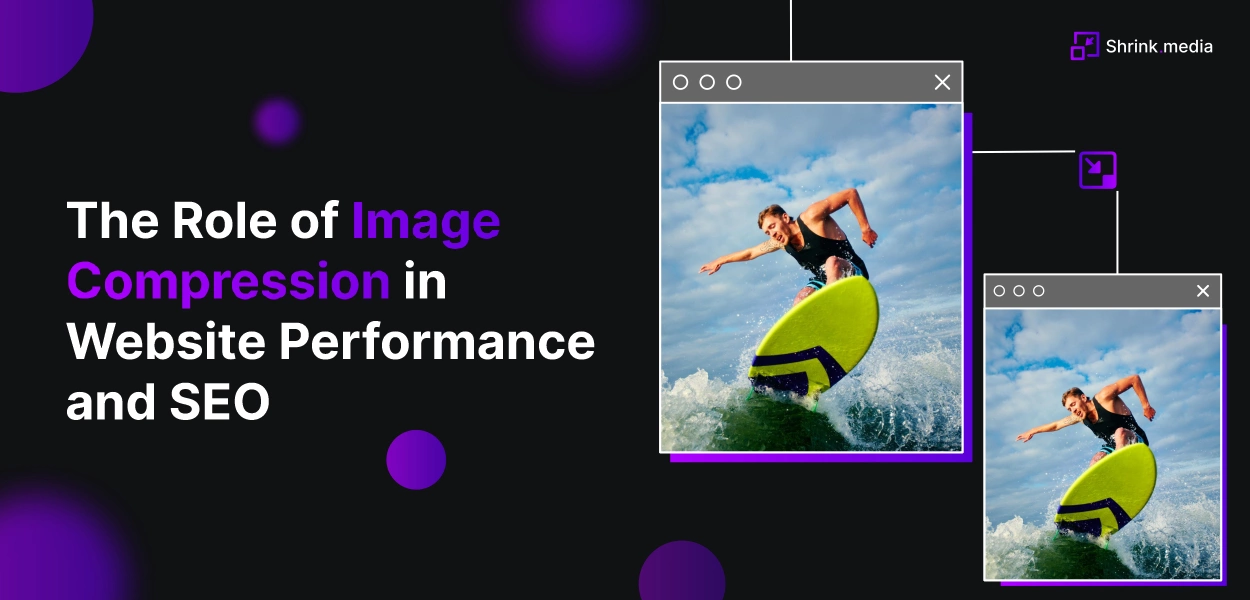
Large, uncompressed images are one of the biggest causes of slow pages. Using modern formats, proper sizing, and compression reduces load times without sacrificing quality.
Minifying code
Removing unnecessary characters from HTML, CSS, and JavaScript reduces file sizes and improves delivery speed.
Caching strategies
Browser and server caching store resources locally, reducing repeated downloads and speeding up repeat visits.
Core Web Vitals and User Experience
Performance is now measured through user-centric metrics often referred to as Core Web Vitals. These metrics focus on how users perceive speed and stability.
They evaluate:
- Loading performance
- Interactivity
- Visual stability
Optimizing these metrics improves rankings and ensures users can interact with content smoothly and confidently.
Crawlability: Helping Search Engines Access Your Site
Crawlability determines how easily search engines discover and navigate a website. If crawlers cannot access important pages, those pages will not rank — regardless of content quality.
Key crawlability elements include:
Clean site architecture
A logical structure with clear internal linking helps crawlers move efficiently from page to page.
Robots.txt configuration
This file guides search engine bots on which areas to crawl or ignore. Misconfigured rules can accidentally block critical content.
XML sitemaps
Sitemaps provide search engines with a roadmap of important URLs, helping ensure full coverage and faster indexing.
Avoiding crawl traps
Infinite URLs, duplicate parameters, and broken links waste crawl budget and reduce efficiency.
Indexability: From Crawled to Ranked
Crawlability and indexability are related but not identical. A page can be crawled but still excluded from search results.
Common indexability issues include:
- Noindex tags applied incorrectly
- Duplicate content without canonical tags
- Thin or low-value pages
Proper canonicalization signals which version of a page should be indexed, consolidating ranking signals and avoiding duplication.
Mobile Optimization and Technical SEO
Mobile-first indexing means search engines primarily evaluate the mobile version of a site. Poor mobile performance directly affects rankings.
Technical mobile optimization includes:
- Responsive design
- Touch-friendly navigation
- Optimized fonts and images
- Fast mobile load times
A technically sound mobile experience is essential for visibility and engagement.
Site Security and HTTPS
Security is another technical SEO pillar. HTTPS encrypts data and protects users, making it a baseline requirement.
Benefits of HTTPS include:
- Improved user trust
- Protection against data interception
- SEO ranking preference over non-secure sites
Expired certificates or mixed-content errors can harm crawlability and user confidence.
JavaScript and Rendering Challenges
Modern websites rely heavily on JavaScript, but improper implementation can block search engines from seeing content.
Best practices include:
- Server-side or hybrid rendering
- Avoiding critical content hidden behind user actions
- Testing how crawlers render pages
Ensuring content is accessible without excessive execution delays improves indexation reliability.
Monitoring and Technical SEO Audits
Technical SEO is not a one-time task. Continuous monitoring identifies issues before they impact rankings.
Regular audits help uncover:
- Crawl errors and broken links
- Performance regressions
- Indexation anomalies
- Security warnings
Proactive maintenance keeps websites healthy as platforms, browsers, and algorithms evolve.
How Performance, Speed, and Crawlability Work Together
These three elements are deeply interconnected. Fast pages reduce crawl time, allowing search engines to explore more URLs. Clean architecture improves both crawl efficiency and user navigation. Strong performance signals quality and reliability.
When aligned, performance, speed, and crawlability create a foundation that allows content and authority to deliver maximum SEO impact.
Technical SEO is the backbone of sustainable search success. Without strong performance, optimized speed, and seamless crawlability, even the best content struggles to rank. By focusing on fast-loading pages, efficient site architecture, and clean indexing signals, websites position themselves for long-term visibility and growth. In a competitive digital landscape, technical SEO is not just about pleasing search engines — it’s about delivering exceptional experiences that both users and algorithms reward.