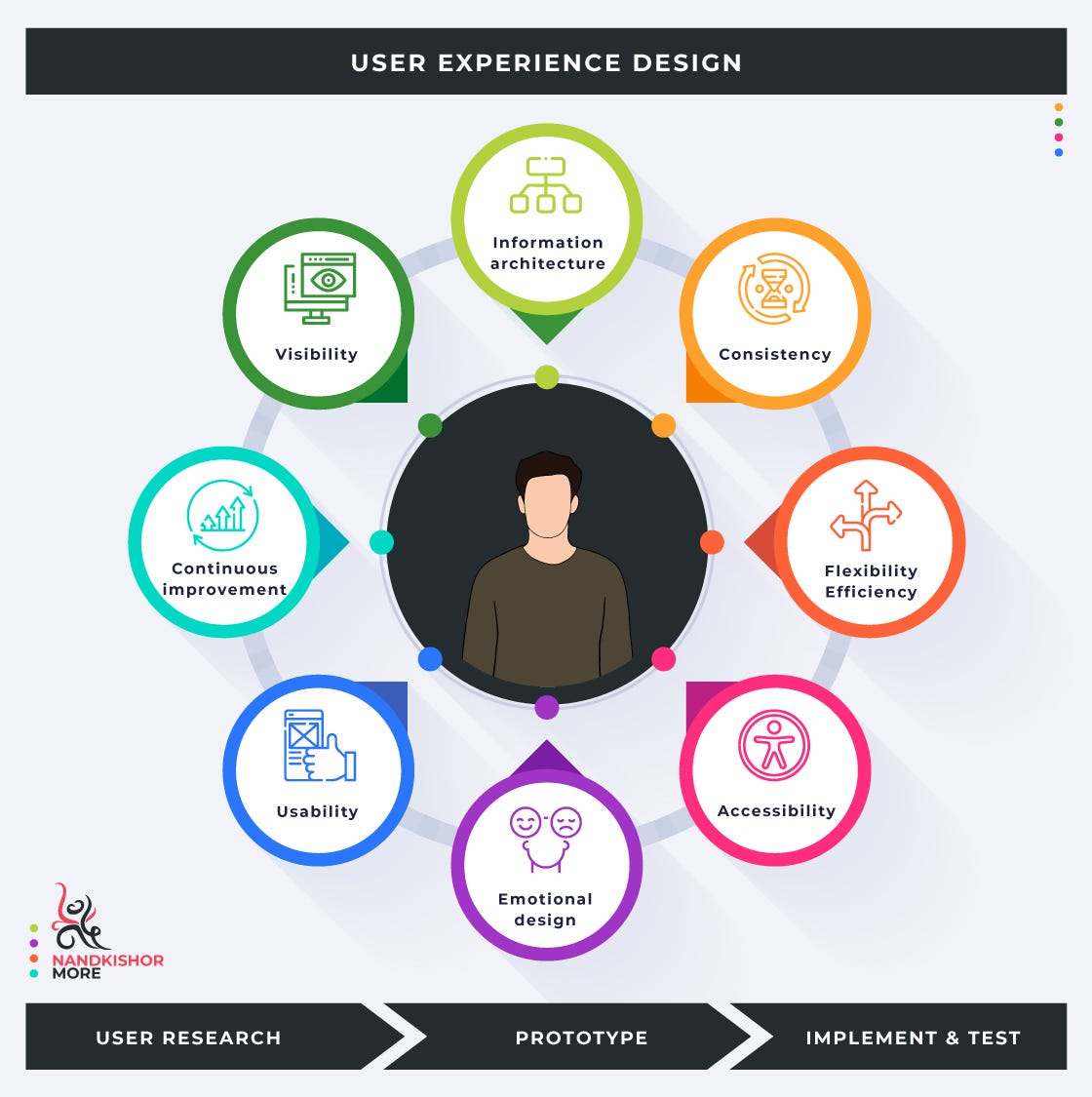
On-page SEO remains one of the most controllable and impactful aspects of search engine optimization. While algorithms, AI systems, and ranking factors continue to evolve, the fundamentals of on-page SEO still revolve around delivering value to users in a way search engines can clearly understand. In 2026, on-page SEO is no longer just about keywords—it is about the balance between content quality, logical structure, and a seamless user experience.
What Is On-Page SEO?
On-page SEO refers to all optimization efforts made directly on a website’s pages to improve search visibility and user engagement. Unlike off-page SEO, which focuses on backlinks and authority, on-page SEO deals with what users see and interact with.
Key on-page elements include:
- Content quality and relevance
- Headings and page structure
- Internal linking
- User experience and readability
- Metadata such as titles and descriptions
When executed correctly, on-page SEO helps both users and search engines understand the purpose and value of a page.
Content: The Foundation of On-Page SEO
Content is the core of on-page SEO. Search engines aim to deliver the most helpful, accurate, and relevant information to users, making content quality a decisive factor.
High-performing content in 2026:
- Addresses real user intent
- Provides depth, not just summaries
- Uses clear and natural language
- Demonstrates expertise and originality
Rather than chasing keyword density, effective content focuses on answering questions completely and clearly.
Keyword Usage and Search Intent
Keywords still matter, but how they are used has changed. Search engines now evaluate context, meaning, and intent rather than exact matches.
Best practices include:
- Using the focus keyphrase naturally in the title, introduction, and headings
- Supporting it with related terms and synonyms
- Matching content format to user intent (informational, transactional, navigational)
Content that aligns closely with user intent performs better than content optimized purely for keywords.
Structuring Content for Clarity and SEO

Content structure plays a major role in on-page SEO. Well-structured pages are easier to read, scan, and index.
Effective structure includes:
- One clear H1 heading that defines the topic
- Logical H2 and H3 subheadings that break content into sections
- Short paragraphs for better readability
- Bullet points and lists where appropriate
A clear hierarchy helps search engines understand topic relationships while guiding users through the content smoothly.
Title Tags and Meta Descriptions
Title tags and meta descriptions influence both rankings and click-through rates.
Strong title tags:
- Clearly describe the page topic
- Include the focus keyphrase naturally
- Stay within recommended length
Meta descriptions may not be direct ranking factors, but they strongly affect whether users click on a result. Compelling descriptions set expectations and improve engagement.
Internal Linking and Page Context
Internal linking connects pages across a website, creating context and improving crawlability. It also helps distribute authority and guide users toward related content.
Effective internal linking:
- Uses descriptive anchor text
- Connects related topics naturally
- Helps users discover additional valuable content
A strong internal linking strategy improves both SEO performance and user satisfaction.
User Experience as a Ranking Signal
User experience (UX) is now inseparable from on-page SEO. Search engines measure how users interact with pages to assess quality.
UX factors that influence SEO include:
- Page load speed
- Mobile responsiveness
- Clear navigation
- Visual stability and layout
Pages that frustrate users through slow loading or poor design struggle to maintain strong rankings.
Readability and Engagement
Readability affects how long users stay on a page and how well they absorb information. Content that is easy to read performs better in both engagement and SEO.
Improving readability involves:
- Using simple, direct language
- Avoiding overly long sentences
- Breaking up text with headings and visuals
- Maintaining a logical flow
Engaged users send positive signals that reinforce rankings.
Images and Media Optimization
Images and media enhance user experience when used correctly. They make content more engaging and easier to understand.
On-page image optimization includes:
- Descriptive file names
- Relevant alt text for accessibility
- Proper sizing and compression
Well-optimized visuals improve page performance without sacrificing quality.
Mobile-First Content Design
With mobile-first indexing, search engines evaluate the mobile version of a page as the primary source. Content must perform equally well across devices.
Mobile-friendly on-page SEO ensures:
- Text is readable without zooming
- Buttons and links are easy to tap
- Layout adapts smoothly to screen size
A strong mobile experience supports rankings and user retention.
Balancing SEO and User Needs
Modern on-page SEO succeeds when optimization serves users first. Over-optimization can harm readability and trust.
The goal is balance:
- Content that satisfies user intent
- Structure that guides understanding
- UX that encourages interaction
Search engines increasingly reward pages that feel natural and genuinely helpful.
Common On-Page SEO Mistakes to Avoid
Some frequent mistakes still limit performance:
- Keyword stuffing
- Thin or repetitive content
- Poor heading structure
- Ignoring mobile usability
- Weak internal linking
Avoiding these issues strengthens both SEO and user trust.
The Future of On-Page SEO
On-page SEO will continue evolving toward quality, clarity, and experience. As AI-driven search systems mature, understanding context and usefulness will matter more than technical tricks.
Successful pages will:
- Demonstrate expertise
- Provide clear value
- Deliver smooth user experiences
On-page SEO is becoming less about gaming algorithms and more about serving real people.
On-page SEO in 2026 is built on the intersection of content, structure, and user experience. High-quality content answers real questions, logical structure improves understanding, and strong UX keeps users engaged. When these elements work together, they create pages that search engines trust and users value. By focusing on clarity, relevance, and usability, on-page SEO becomes a powerful driver of sustainable search performance and long-term digital success.