Introduction
Smartphones have transformed from simple communication tools into powerful imaging devices that rival traditional cameras. Over the past decade, rapid innovation in camera hardware and software has pushed smartphone photography into a new era. Today, advanced cameras are one of the main reasons people upgrade their phones. From professional-grade portraits to cinematic videos, smartphones now sit at the center of everyday visual storytelling.
This rise is not accidental. Manufacturers invest heavily in camera research because images and video dominate social media, journalism, business marketing, and personal memories. As a result, smartphones with advanced cameras now shape how the world captures and shares moments.
Evolution of Smartphone Camera Technology
Early smartphone cameras offered limited resolution and basic autofocus. Images often lacked clarity, struggled in low light, and failed to capture motion accurately. However, sensor technology improved quickly. Larger sensors, wider apertures, and better image stabilization changed the game.
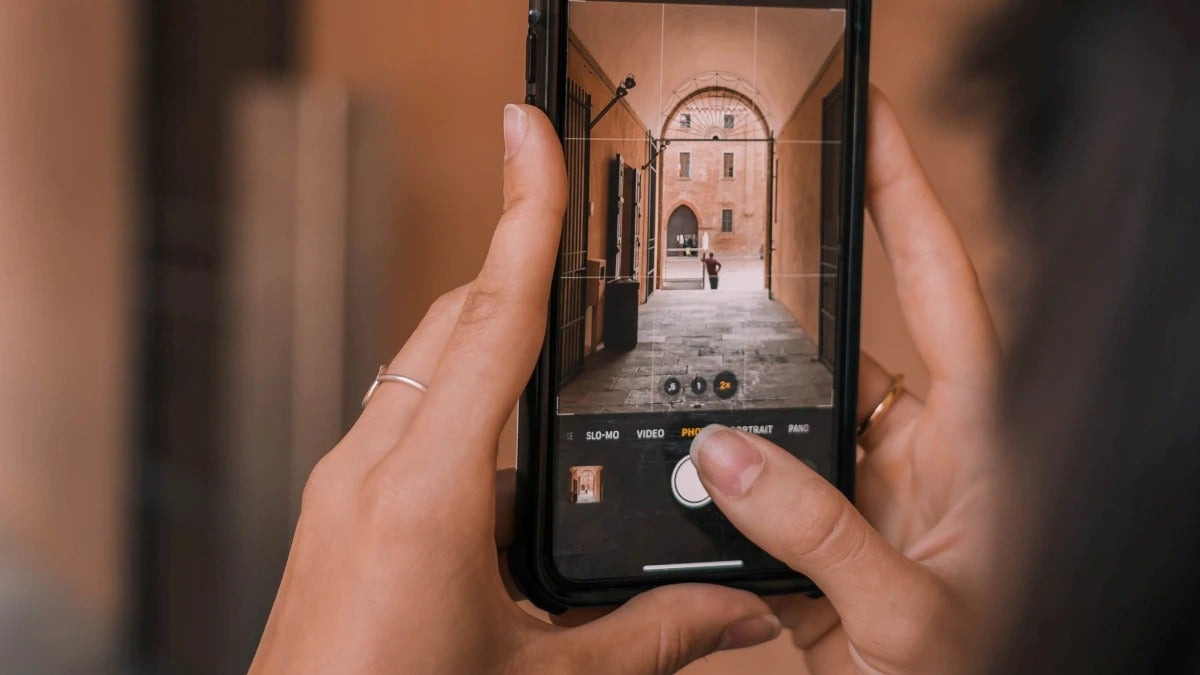
At the same time, manufacturers introduced multi-camera systems. Instead of relying on a single lens, phones now include ultra-wide, telephoto, and macro lenses. This approach allows users to switch perspectives instantly, mimicking professional camera setups without extra equipment.
Computational Photography Takes the Lead
Hardware improvements alone do not explain the leap in quality. Computational photography has become the backbone of modern smartphone cameras. Through advanced algorithms, phones now process multiple frames in milliseconds. They merge data to improve detail, reduce noise, and balance exposure.
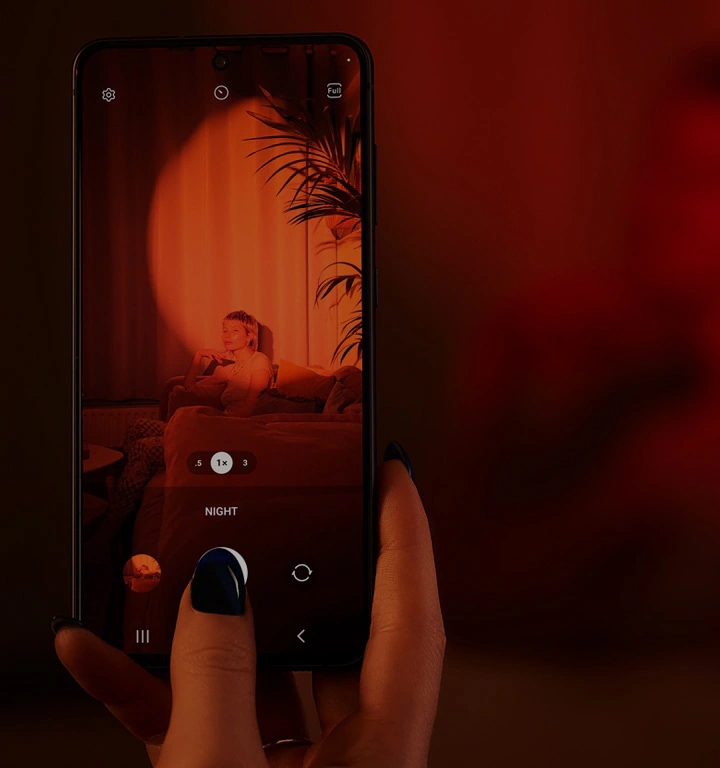
Features like Night Mode, HDR, and AI scene detection rely on this technology. Even in challenging lighting, smartphones produce bright, sharp images that once required expensive cameras and manual editing. As processing power increases, computational photography continues to blur the line between mobile and professional imaging.
Artificial Intelligence and Smart Imaging
Artificial intelligence plays a major role in modern smartphone cameras. AI helps recognize faces, adjust skin tones, enhance backgrounds, and sharpen subjects in real time. Portrait modes use depth mapping and machine learning to create natural-looking background blur.
Video also benefits from AI. Real-time stabilization, automatic framing, and subject tracking allow users to record smooth, professional footage while moving. These features make smartphones appealing not only to casual users but also to content creators and journalists.
Professional Video in Your Pocket
Smartphones no longer focus only on photos. Advanced cameras now support high-resolution video, including 4K and even 8K recording. Log profiles, manual controls, and advanced codecs give creators more flexibility in post-production.
As a result, smartphones are now used for documentaries, news reporting, and independent films. Their portability, combined with growing camera quality, makes them powerful tools for storytelling in fast-paced environments.
Impact on Social Media and Digital Culture
The rise of smartphones with advanced cameras has reshaped digital culture. Social media platforms thrive on visual content. High-quality photos and videos help users stand out, build personal brands, and share experiences instantly.
Influencers, small businesses, and activists rely on smartphone cameras to communicate visually with global audiences. This accessibility has democratized content creation, allowing anyone with a smartphone to produce professional-looking media.
Competition Driving Innovation
Intense competition among smartphone brands fuels continuous improvement. Each new release promises better low-light performance, improved zoom, or smarter AI features. Camera quality has become a key selling point, often highlighted before processing power or battery life.
This competition benefits consumers. Features that once appeared only in premium devices now trickle down to mid-range smartphones. As technology matures, advanced cameras become accessible to a wider audience.
Challenges and Limitations
Despite impressive progress, smartphone cameras still face limits. Smaller sensors cannot fully match the depth and dynamic range of high-end professional cameras. Digital zoom, while improving, still struggles compared to optical zoom in dedicated lenses.
Battery consumption also increases as cameras rely more on processing power. Balancing performance, image quality, and energy efficiency remains a challenge for manufacturers.
The Future of Smartphone Cameras
The future points toward even deeper integration of AI, larger sensors, and improved optical systems. Foldable phones may introduce new camera layouts, while advancements in chip design will support faster image processing.
Augmented reality, 3D imaging, and enhanced video tools will further expand creative possibilities. As smartphones continue to evolve, their cameras will remain central to innovation and user experience.
Conclusion
The rise of smartphones with advanced cameras marks a major shift in how people capture and share the world. Through improved hardware, computational photography, and artificial intelligence, smartphones now deliver stunning images and videos in almost any situation. As technology advances, these devices will only grow more capable, reinforcing their role as the most important cameras of our time.